

ABSTRACT
Cells self-organize organs
without being told.
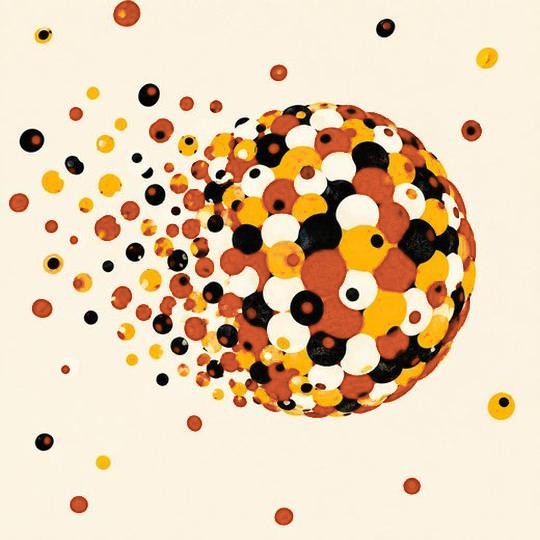
Given the right environment, stem cells gather, change shape, grow and are able to give rise to an organ. We do not design organs. We design the conditions in which cells build themselves — what is called self-organization — and from that, organoids emerge.
Since we first achieved the self-organization of a liver bud organoid in 2013, this work has been moving toward systems of several organs connected together.
RELATED PUBLICATIONS
2026.09.18Glutamine metabolism as a rheostat of CD4+ T cell pathogenic function in metabolic dysfunction-associated steatotic liver disease.Sawada K et al.01 CINCINNATI CHILDREN'S / 03 SCIENCE TOKYO / 04 PRIMeCell MetabPMID →
2026.08.04Matrix Stiffness Modulates 3D Spheroid-Derived Extracellular Vesicle Profiles and Discovery of Piezo1 Cargo.Sheth M et al.01 CINCINNATI CHILDREN'SCell Mol BioengPMID →
2026.07.10A third way to breathe.Takebe T01 CINCINNATI CHILDREN'S / 03 SCIENCE TOKYO / 04 PRIMe / 05 YCU-CDCMedPMID →
RELATED NEWS
2026.05.20AWARDCuSTOM Accelerator Wins NIH Replication ‘Exemplar’ PrizeCincinnati Children's Research Horizons01 CINCINNATI CHILDREN'S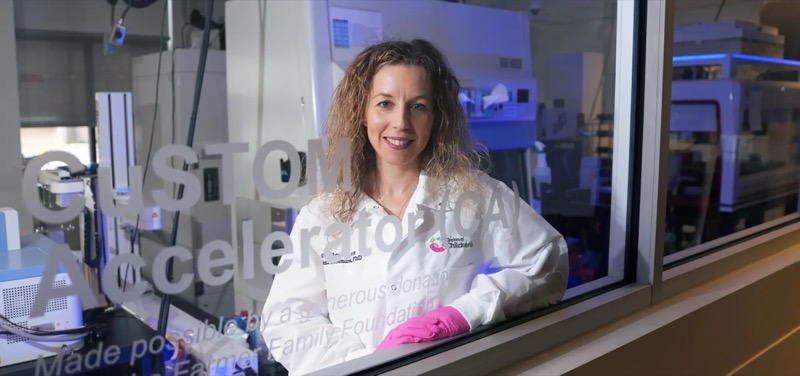 ↗
2026.04.27MEDIA臓器は“つながり”の中で生きる:iPS細胞から作るオルガノイド研究の最前線nippon.com01 CINCINNATI CHILDREN'S↗
2026.02.12MEDIACincinnati Children's doc wins Time honor for butt breathing researchCincinnati Enquirer01 CINCINNATI CHILDREN'S↗
↗
2026.04.27MEDIA臓器は“つながり”の中で生きる:iPS細胞から作るオルガノイド研究の最前線nippon.com01 CINCINNATI CHILDREN'S↗
2026.02.12MEDIACincinnati Children's doc wins Time honor for butt breathing researchCincinnati Enquirer01 CINCINNATI CHILDREN'S↗
OTHER THEMES
← All research themes
CONTACT
Come and solve this question with us.
We recruit postdocs, graduate students and technicians year-round across our sites in Japan and the US.
Applicants from data science and design are equally welcome.